Our mission is to create a healthier environment for human reproduction and development through advancing scientific inquiry, clinical care and health policies that prevent exposures to harmful chemicals in our homes, workplaces, and communities.
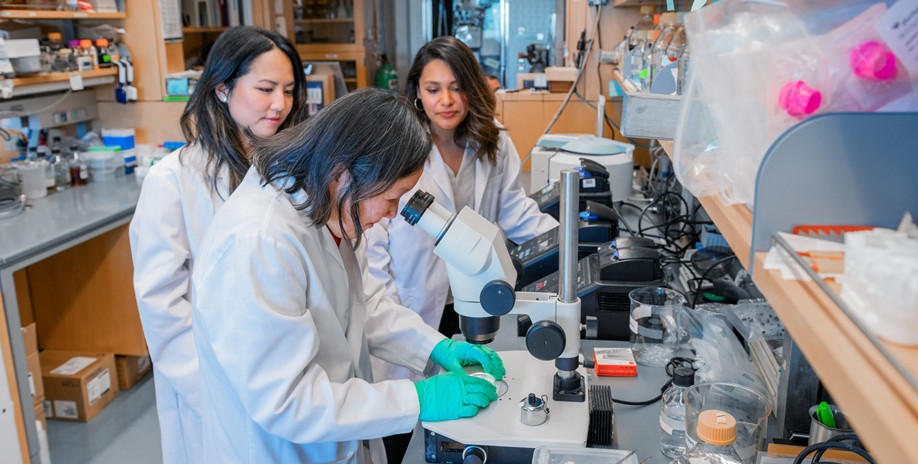

PRHE conducts groundbreaking, multi-disciplinary research that answers important questions of how chemicals and contaminants in our homes and environment affect fertility, pregnancy, and fetal and child development.

PRHE identifies and communicates how science should be used in policymaking to protect health and is a leading scientific voice on EPA’s problematic implementation of the updated Toxic Substances Control Act (TSCA).

PRHE is a leader in connecting the environment to pregnancy, prenatal health, and women’s health and works with major medical organizations to issue guidance on reducing chemical use and preventing harmful exposures.
Latest News

On New Year’s Eve, Lee Zeldin did something out of character for an Environmental Protection Agency leader who has been hacking away at regulations intended to protect Americans’ air and water. He announced new restrictions on five chemicals commonly used in building materials, plastic products and adhesives, and he cheered it as a “MAHA win.”

Future EPA chemical analyses are likely to reuse the agency’s recently proposed, unusual analytic methods that could downgrade formaldehyde’s estimated risks, critics predict.

Exposure to drinking water contaminated with per- and polyfluoroalkyl substances (PFAS) can worsen birth outcomes and potentially costs the US about $8 billion every year in health-care expenditures and reduced earnings, according to a recent study.

EPA’s recently released draft memo to update the Biden-era TSCA risk evaluation of formaldehyde could set important precedents on what health endpoints the agency selects to address in future evaluations, while also signaling that IRIS assessments may no longer meet the law’s “best available science” standard, observers say.

A committee of expert advisers is calling for stronger environmental regulations to protect children from plastics and other harmful chemicals, despite a dissenting industry position claiming there is little evidence that plastic is toxic to children.

The White House’s health strategy report released Tuesday directs the EPA to carry out research to improve the health of children exposed to chemicals and pesticides, but it doesn’t encourage controls to limit such exposures.
The Trump administration’s Make America Healthy Again (MAHA) Commission has released its final strategy for improving children’s health, urging EPA to deregulate pesticides and farm effluents while sidestepping PFAS concerns, aligning closely with a draft leaked in August.

So much plastic waste ends up in dumps around the world that millions of people, mostly in poor countries, make their living as “waste pickers,” sifting through mountains of trash, looking for recyclable materials to sell.